




Introduction
Wall molding Ideas is a fantastic way to add depth, style, and sophistication to any room. From intricate designs to simple accents, molding can transform a flat wall into a stunning feature of your home.
Whether redecorating an entire house or just refreshing a room, wall molding offers versatility, elegance, and a sense of architectural detail. In this article, we’ll explore various wall molding ideas, including the types, materials, installation tips, and creative ways to incorporate molding into different areas of your home.
| Type of Molding | Description | Ideal For | Material Options | Style/Finish |
| Crown Molding | Molding installed where the wall meets the ceiling adds elegance | Living rooms, bedrooms, dining rooms, entryways | Wood, MDF, Polyurethane, PVC | Traditional, Modern, Transitional |
| Baseboard Molding | Installed along the bottom of walls where they meet the floor | Hallways, bedrooms, bathrooms, living rooms | Wood, MDF, PVC, Polystyrene | Colonial, Contemporary, Victorian |
| Chair Rail Molding | Horizontal molding installed at chair-back height to protect walls | Dining rooms, hallways, and formal areas | Wood, MDF, Polystyrene | Classic, Rustic, Luxe |
| Wainscoting | Wooden paneling applied to the lower part of a wall | Dining rooms, bathrooms, living rooms | Wood, MDF, PVC, Vinyl | Beadboard, Raised Panel, Shiplap |
| Picture Molding | Thin molding is used near the ceiling for hanging pictures | Living rooms, galleries, hallways | Wood, MDF, Polyurethane | Simple, Ornate, Classic |
| Panel Molding | Creates framed panels on the wall, adds depth | Living rooms, dining rooms, hallways | Wood, MDF, Polystyrene | Square, Rectangular, Formal |
| Coffered Ceiling Molding | Moldings used for ceiling design to create a grid or boxed effect | Formal living rooms, dining rooms, offices | Wood, Plaster, MDF | Classical, Mediterranean, Traditional |
| Shiplap Molding | Horizontal wooden planks that add a rustic or farmhouse feel | Living rooms, kitchens, bathrooms, farmhouse-style spaces | Wood, MDF | Rustic, Modern Farmhouse |
| Beadboard Molding | Vertical wooden panels, often with small, evenly spaced beads | Cottages, bathrooms, kitchens, and casual spaces | Wood, MDF, PVC | Traditional, Coastal, Cottage |
| Crown Corner Blocks | Decorative blocks placed in corners to simplify miter cuts | Corners of rooms, ceilings, and entryways | Wood, MDF, Polyurethane | Traditional, Classic |
How Wall Molding Enhances Interior Style
Wall molding is an elegant way to add architectural interest and visual depth to any room, transforming plain walls into beautifully framed surfaces that complement a variety of interior styles. Whether you choose classic panel molding, modern geometric shapes, or decorative chair rails, these accents help define space and draw the eye, making rooms feel more polished and intentionally designed. Wall molding can also be used to create focal points around key features like fireplaces or large pieces of furniture, subtly guiding visual flow without overwhelming the space. By selecting profiles and placements that harmonize with your overall décor—such as tall frames that enhance ceiling height or minimalist designs that underscore contemporary interiors—you can boost both character and value in your home’s interior finishes.
What is Wall Molding?
Wall molding is a decorative feature applied along the edges of walls, ceilings, or around doors and windows. It is usually crafted from wood, plaster, polyurethane, or polystyrene. Molding is used to create visual appeal, add texture, and highlight specific areas of a room. It can be installed in various forms, such as baseboards, crown moldings, chair rails, wainscoting, and panel moldings.
Types of Wall Molding
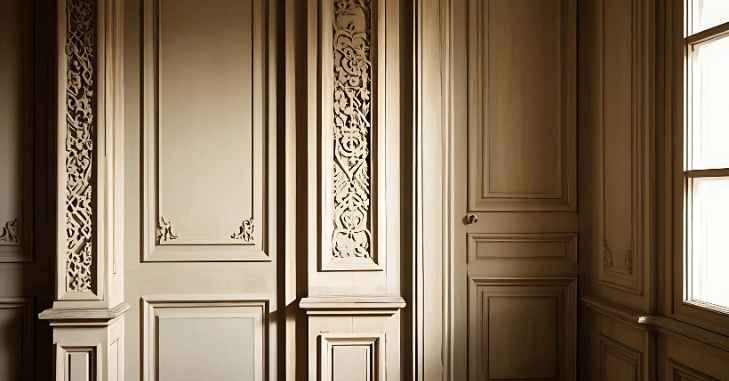
Before diving into specific ideas, it’s important to understand the different types of wall molding that can be used to elevate your living space:
1. Crown Molding
Crown molding is installed where the walls meet the ceiling and serves as a transition piece. It adds elegance by softening the sharp corner between the wall and ceiling. Crown molding is often used in living rooms, dining rooms, and bedrooms for a traditional or contemporary touch. It has many profiles, from simple, straight lines to more ornate, intricate designs.
Popular Styles:
- Traditional: More elaborate with curves and decorative elements.
- Modern: Sleek and minimalistic with straight lines and subtle profiles.
- Transitional: A mix of traditional and modern for a timeless aesthetic.
2. Baseboard Molding
Baseboard molding runs along the bottom of the wall, meeting the floor. This molding protects the wall from scuffs, dirt, and damage while enhancing the space’s visual appeal. Baseboards are available in various heights, from low-profile designs to taller, more ornate options.
Popular Styles:
- Colonial: Tall and detailed, with a sense of grandeur.
- Contemporary: Simple and streamlined for a clean look.
- Victorian: Elaborate with intricate details and curves.
3. Chair Rail Molding
Chair rail molding is installed horizontally around the room, usually at the height where the back of a chair rests. This helps protect walls from damage caused by chair backs while also serving as a decorative feature. Chair rails are commonly found in dining rooms and hallways.
Popular Styles:
- Classic: A simple, rounded profile.
- Rustic: Reclaimed wood or distressed finishes for a more casual, farmhouse vibe.
- Luxe: High-gloss finishes and detailed carvings for a refined look.
4. Wainscoting
Wainscoting is a wooden paneling that covers the lower portion of a wall, often combined with chair rail molding. This popular choice in traditional and modern homes adds texture and dimension to rooms. Wainscoting is typically made from wood, MDF, or vinyl and can be painted in various colors to complement the room’s décor.
Popular Styles:
- Beadboard: A classic, vertical paneling style that creates a cottage or beachy vibe.
- Raised Panel: More intricate panels that give the room a formal, elegant look.
- Shiplap: Horizontal wooden planks ideal for a rustic or farmhouse style.
5. Picture Molding
Picture molding is a thin, decorative molding placed near the top of the wall, just below the ceiling. It serves as a way to hang art or photographs without putting holes in the wall, allowing for easy repositioning of artwork. This type of molding adds a refined and gallery-like appearance to any room.
Popular Styles:
- Simple: A minimalist, subtle design for a modern aesthetic.
- Ornate: Intricate carvings and patterns for a more traditional look.
6. Panel Molding
Panel molding can create the illusion of framed panels on your walls. This molding type is often paired with wainscoting or as a standalone design. Panel molding can add a sophisticated touch to any room, making it feel more regal and structured.
Popular Styles:
- Square Panels: Clean and uniform for a contemporary look.
- Rectangular Panels: Provides a more elongated, stately appearance.
Creative Wall Molding Ideas
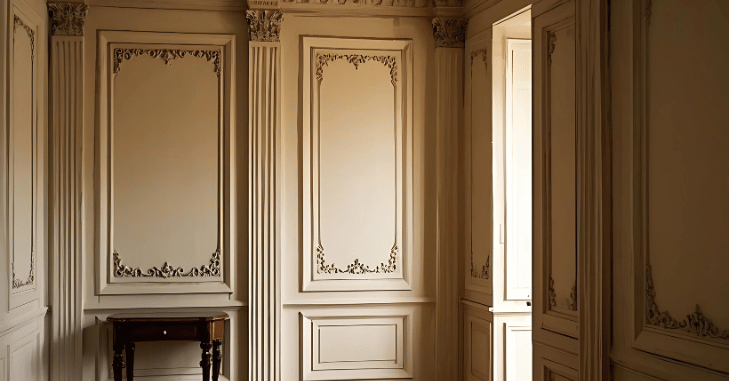
Now that we have covered the basics of wall molding let’s explore creative ways to use them in your home. Molding isn’t just for traditional spaces; it can also be incorporated into modern, industrial, and eclectic designs.
1. Modern Minimalist Rooms
While molding is often associated with traditional or classical styles, it can also work beautifully in modern spaces. Opt for simple, straight-lined baseboards, crown molding, and chair rails. Choose neutral colors like white, black, or grey for a subtle, minimalist look.
2. Create an Accent Wall
An accent wall is a popular design trend, but adding molding can elevate the effect even further. Use panel molding or a combination of wainscoting and chair rail molding to create a statement wall in any room. This works particularly well in entryways, dining rooms, or living rooms where you want to draw attention to a specific area.
3. Add Molding Around Windows and Doors
Molding adds a sense of depth and elegance to these architectural elements. Consider using detailed, custom molding around windows and doors in areas like the living room, bedroom, or bathroom.
4. Combine Molding with Wallpaper
If you’re adding wallpaper to your walls, consider combining it with molding for an added design layer. This works especially well with panel or picture molding around the top of the wall. The contrast between the wallpaper and the molding can create a stunning effect.
5. Create a Vintage or Classical Look with Elaborate Moldings
Using intricate and detailed moldings can bring a sense of old-world charm to more formal or vintage-inspired rooms. Look for moldings with floral patterns, carved details, and sculptural elements. These work wonderfully in spaces like dining rooms, libraries, or entryways.
6. Mix and Match Different Molding Types
Who says you have to stick to just one type of molding? Mixing different styles and profiles can create a dynamic and unique look. For example, combine baseboards with picture and crown molding for a layered effect. Mixing modern and traditional designs can help you achieve a more personalized, eclectic look.
7. Use Molding for Visual Balance
In smaller rooms, molding can help visually balance the space. Taller baseboards and crown moldings can make a room feel more proportional, while chair rails can divide a room into more manageable sections. For a room with very high ceilings, consider using taller or more elaborate moldings to draw the eye upward and emphasize the room’s height.
8. Transform a Plain Bathroom
Bathrooms are often overlooked for decorative molding, but adding wainscoting or a subtle chair rail can give the space a touch of elegance. For a bathroom with a more luxurious vibe, try incorporating gold or brass-trimmed moldings. Additionally, consider adding crown molding around the mirror for added sophistication.
Materials for Wall Molding
When it comes to choosing the material for your molding, there are several options available. Each material offers different benefits, depending on the room and design preferences.
- Wood
- MDF (Medium-Density Fiberboard)
- Polyurethane
- Plaster
- PVC (Polyvinyl Chloride)
- Polystyrene
How to Install Wall Molding?

Installing wall molding can be a DIY project if you’re up for some work, but it’s also a job you can hire professionals. If you’re attempting to install molding yourself, here’s a step-by-step guide to help you get started.
Step 1: Measure and Plan
Before cutting and installing, take accurate measurements of the areas where you’ll apply the molding. Measure the length of the walls, doors, and windows, and note where the moldings will be placed (e.g., baseboards, crown molding, or chair rails). It’s crucial to have precise measurements to ensure proper fitting and minimize wastage.
Step 2: Choose Your Molding Material
Select the appropriate molding material based on your room’s function and design style. Use moisture-resistant materials like PVC or polyurethane if you work in a high-moisture area like a bathroom. Wood and plaster are excellent choices for a more traditional or formal room.
Step 3: Cut the Molding
Using a miter saw, cut the molding at the appropriate angles. The cuts must be precise to ensure a seamless fit if you work with baseboards, crown molding, or trim around windows and doors. Use a 45-degree angle for clean miter cuts for inside and outside corners. If you’re unsure of your cutting skills, you can always use pre-cut molding or hire a professional.
Tip: To make cutting easier and more accurate, measure twice and cut once. Use a coping saw for interior cuts to create a smoother finish.
Step 4: Sand and Prime (If Necessary)
If you use wood or MDF moldings, lightly sand them before priming or painting. This step helps ensure a smooth surface for painting and allows the paint to adhere better. If you use polyurethane or PVC, skip this step since these materials typically come pre-primed or require minimal surface preparation.
Step 5: Install the Molding
For most types of molding, you’ll need a combination of finishing nails, glue, and possibly caulk to secure the pieces in place. Start by applying a small amount of adhesive to the back of the molding, then nail it into place. For corners, you may need to use corner blocks or miter cuts for a clean, professional look.
Tip: Use a nail gun for quicker and more efficient installation, especially for long molding stretches.
Step 6: Fill Gaps and Nail Holes
Once the molding is installed, use wood filler or caulk to fill gaps or nail holes. After the filler dries, lightly sand the area to ensure a smooth finish. You can then apply the final paint or stain to the molding for a polished look.
Step 7: Touch Up and Finish
Finally, touch up any areas that need extra attention. Cover any dark marks from nails or glue if you’re using white or light-colored molding. Apply a coat of paint or varnish to protect the molding and ensure it matches the rest of your room’s decor.
Conclusion
Wall molding is a great way to add depth, dimension, and sophistication to your home. Whether you’re looking for an elegant crown molding design, a functional baseboard, or a decorative chair rail, every room has a molding style. The versatility of molding allows it to complement both traditional and modern styles, and with the right materials, it can last for decades without losing its charm.
Read more about our “Home Improvement” category.
FAQs
It is, therefore, not surprising that wall molding designs are also becoming more popular. According to Heavenly designer Brady Burke, wall molding is a “designer favorite for 2025 and beyond,” defined as “any finish or decorative wood detail added to a wall.”
To make a small room appear larger, opt for simpler, thinner moldings that don’t overpower the space. You can also paint the molding in a light color to blend with the walls, making the room feel more open. Tall baseboards or crown molding can draw the eye upward, creating the illusion of height.
To care for your wall molding, dust it regularly with a soft cloth and vacuum the baseboards to remove dirt. For painted moldings, touch up chipped paint as needed. For wood moldings, be mindful of moisture levels to avoid warping. Consider applying a protective finish to preserve the molding’s appearance in high-traffic areas.
Popular wall molding styles include panel molding, picture frame molding, chair rails, beadboard, wainscoting, and geometric or minimalist designs.
Wall molding is used to add decorative detail, depth, and architectural interest to walls, helping spaces look more refined and visually appealing.
