



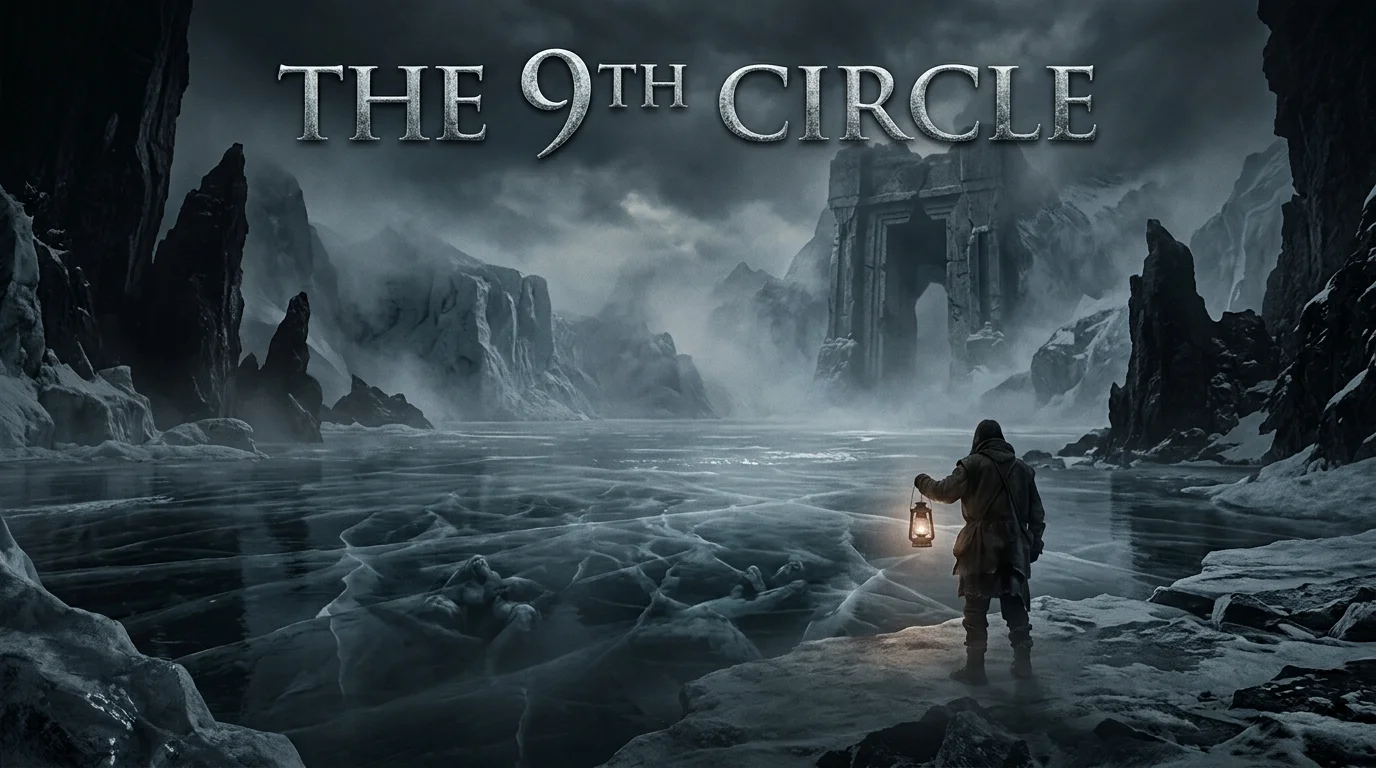
The 9th Circle occupies a small but important place in modern horror history. The 2008 short introduced audiences to Art the Clown before the Terrifier feature films existed. Its brief appearance helped launch a character who later became a recognizable modern slasher villain.
Direct answer: The 9th Circle is Damien Leone’s 2008 horror short and Art the Clown’s first on-screen appearance. Mike Giannelli plays Art, years before David Howard Thornton took over the role in the feature films. The short later became the opening segment of All Hallows’ Eve.
| Quick fact | Details |
|---|---|
| Director and writer | Damien Leone |
| Release year | 2008 |
| Runtime | About 11 minutes |
| Genre | Horror |
| Original Art performer | Mike Giannelli |
| Art’s role | Clown/demon |
| U.S. premiere | March 15, 2008 |
| Later incorporated into | All Hallows’ Eve (2013) |
| Why it matters | First screen appearance of Art the Clown |
The short premiered at the Backseat Film Festival on March 15, 2008. Sources consistently list its running time at roughly 11 minutes. Leone wrote, directed, and produced the project while also handling several practical production duties.
Key Takeaways
| What to know | Why it matters |
|---|---|
| Art debuted here | This is the character’s earliest released screen appearance |
| Mike Giannelli played Art | David Howard Thornton had not joined the franchise yet |
| Art was not the main villain | Audience reaction pushed Leone to develop him further |
| The short returned later | It became part of All Hallows’ Eve |
| The title matters again | Terrifier 3 directly references it near the ending |
The most interesting part of this short is what happened after audiences watched it. Leone has said viewers repeatedly focused on the clown rather than the surrounding demons. That reaction encouraged him to build a later short specifically around Art.
What Is The 9th Circle?
The 9th Circle begins with a woman waiting alone at a train station on Halloween. A silent clown enters, behaves strangely, and gradually makes the encounter threatening. That clown is the earliest released version of the character later associated with Terrifier.
The story then moves away from a simple creepy-clown setup. Its captive protagonist enters a nightmare filled with demons, monsters, and occult imagery. Art effectively starts the horror before the film shifts toward a broader supernatural threat.
That structure makes the short noticeably different from later franchise installments. Art does not dominate the entire story or behave like a conventional slasher villain. Instead, he functions as a disturbing doorway into the film’s larger demonic world.
The Plot and Horror Style
The opening works because the situation initially feels ordinary. A lone traveler encounters an increasingly unsettling stranger inside an otherwise familiar public setting. Art’s silence and exaggerated physical behavior make the exchange uncomfortable before overt violence begins.
He eventually incapacitates the woman, who awakens in a much darker environment. After that transition, the story introduces grotesque creatures and a ritualistic atmosphere. These scenes establish supernatural ideas that would remain relevant to Leone’s later mythology.
Despite its short runtime, the film contains disturbing violence and demonic material. Viewers expecting the later franchise’s comedic brutality may find this entry darker and stranger. Its atmosphere feels more like an experimental horror showcase than a polished slasher narrative.
How Art the Clown Was Created
Damien Leone did not originally design Art as the central figure of a major franchise. He described the clown as one of several monsters in the short. Audience feedback later changed the character’s direction.
Mike Giannelli portrayed this early version with a black-and-white visual design that is still recognizable today. His Art feels simpler and less theatrical than later versions. Still, the character’s silent mannerisms and unsettling humor were present from the beginning.
Leone has explained that viewers consistently singled out Art after seeing the short. Their reaction led him to make the 2011 Terrifier short. That project gave Art considerably more room to develop his cruel physical comedy.
Readers exploring darker screen stories can also browse Veriibe’s Entertainment section. Veriibe’s guide to serial killer shows offers another collection focused on threatening villains and psychological tension. Both provide useful follow-up reading for horror and thriller audiences.
How It Connects to All Hallows’ Eve

The short later reached a wider audience through Damien Leone’s 2013 anthology All Hallows’ Eve. That movie follows a babysitter who discovers a mysterious videotape containing disturbing stories. Leone’s earlier shorts became part of the anthology’s structure.
The first segment incorporates the earlier story rather than creating an unrelated remake. That connection explains why some viewers remember seeing the material without watching the standalone release. It also makes the anthology a convenient starting point for new fans.
The feature also incorporated Leone’s earlier Terrifier short. New material helped connect the shorts into a feature-length Halloween story. The result gave Art another important step toward his eventual solo feature franchise.
Where It Fits in the Terrifier Timeline
For production history, the earliest starting point is this 2008 release. Leone followed it with the 2011 Terrifier short. All Hallows’ Eve then repackaged earlier material while expanding Art’s presence in 2013.
The feature-length Terrifier later turned Art into the central antagonist. David Howard Thornton eventually replaced Giannelli and developed a more animated performance style. The character’s essential silence, visual identity, and cruel playfulness remained recognizable.
This progression helps explain why the early film feels different from the modern series. It captures a creator testing several horror ideas before one character emerged as the strongest. Watching it after the features can make those early creative choices easier to recognize.
Veriibe readers interested in performers taking darker roles can also read its Ross Lynch profile. His transition into projects such as My Friend Dahmer offers another example of screen careers moving toward darker material.
Why the Title Matters to Terrifier 3
The title returned to franchise attention many years after the original short appeared. Near the end of Terrifier 3, a bus passenger reads a book with the same title. The moment directly callbacks viewers familiar with Leone’s earliest Art project.
That reference also fits the franchise’s increasing interest in supernatural mythology. The original short placed Art beside demons and occult imagery from his first appearance. Later films gradually made supernatural forces more important to the larger story.
The callback alone does not fully explain Art’s origin. Instead, it connects the newest mythology with material from the character’s earliest screen history. That makes the ending more meaningful for longtime viewers without requiring newcomers to know the reference.
What Does the Ninth Circle Mean?
The title also evokes the ninth circle of Hell from Dante Alighieri’s Inferno. Dante presents Hell as a series of descending circles, each associated with different forms of sin. The ninth and deepest circle is associated with treachery rather than the familiar image of endless fire.
That literary connection suits Leone’s use of demonic imagery and underground horror. It also gives the short a larger symbolic frame beyond its simple kidnapping setup. The franchise doesn’t require viewers to understand Dante to follow Art’s story.
The connection becomes especially interesting beside later supernatural developments. Art increasingly exists within a struggle involving demonic forces rather than ordinary human violence alone. The early title therefore feels more relevant today than it did during Art’s brief debut.
Where to Watch It in the United States
Finding the standalone short can be less straightforward than finding the feature films. Current listings do not consistently show a dedicated U.S. streaming option for the standalone 2008 release. Availability can also vary by platform and region.
A practical legal option is Damien Leone’s All Hallows’ Eve, which incorporates the earlier material. As of October 2026, Tubi lists the 2013 film for U.S. viewers. Other current U.S. listings include AMC+, Shudder, Roku, and digital rental services.
Streaming catalogs change, so viewers should check the service before planning a watch. Tubi currently lists the movie as an 83-minute horror release directed by Leone. U.S. availability may differ later because licensing agreements frequently change.
For more movie-focused reading, Veriibe also covers Callum Turner movies and TV shows. The site’s broader entertainment coverage can help readers move from one film topic to another.
Why This Short Still Matters
An 11-minute independent horror film would normally have a limited cultural footprint. This one matters because a supporting character became more memorable than its larger monster mythology. That audience response changed Leone’s creative direction.
The film also shows how the Terrifier franchise developed gradually. Art was not introduced through a large studio campaign or a finished mythology. His identity grew across shorts, anthology material, and increasingly ambitious feature films.
Fans can therefore watch the short as more than a franchise curiosity. It captures a horror character at an unfinished stage, before his defining traits became fixed. That context makes its roughness part of the appeal rather than merely a limitation.
Frequently Asked Questions
Is The 9th Circle the first appearance of Art the Clown?
Yes, the 2008 short is Art’s first released screen appearance. Mike Giannelli played the character before David Howard Thornton assumed the role. Damien Leone later expanded Art after audiences responded strongly to the clown.
Who directed the short?
Damien Leone wrote and directed the film. He also handled producing and special-effects work on the project. Those multiple roles reflect the short’s independent, low-budget production.
How long is the movie?
The short runs about 11 minutes. Multiple current film databases list that approximate length. Its compact runtime makes Art’s later impact especially notable.
Is the short included in All Hallows’ Eve?
Yes, material from the short appears within the 2013 horror anthology. That is why many viewers first encounter this early version through the later feature. The anthology also incorporates Leone’s early Terrifier material.
Where can I watch The 9th Circle in the U.S.?
Standalone availability remains inconsistent across major streaming listings. All Hallows’ Eve currently provides the easiest legal route to the material for many U.S. viewers. Tubi currently carries that feature, with additional services also listing it.
Why is it important to the Terrifier series?
The short introduced the character who later became the franchise’s central villain. Audience interest persuaded Leone to develop Art through another short and later feature films. Terrifier 3 even brings the title back as an explicit visual reference.
The Bottom Line
This early short is most valuable as a look at Art before the franchise found its final identity. The visual concept was already memorable, but the character still shared attention with a larger supernatural nightmare. Audience reaction helped turn that small role into something much bigger.
New viewers don’t need the short to understand later movies. Fans interested in Art’s history will gain useful context by seeing where the character began. Start with All Hallows’ Eve if the standalone version is unavailable through your preferred U.S. service.
